
Nose VR Nursing Simulation
The virtual casualty presents with a persistent nosebleed. The learner has to control the bleeding using the technique appropriate for this region: sitting the casualty forward, pinching the soft part of the nose for ten minutes, cold compress and escalation if bleeding continues beyond twenty minutes. Blood loss and vital signs respond in real time to what the learner does.
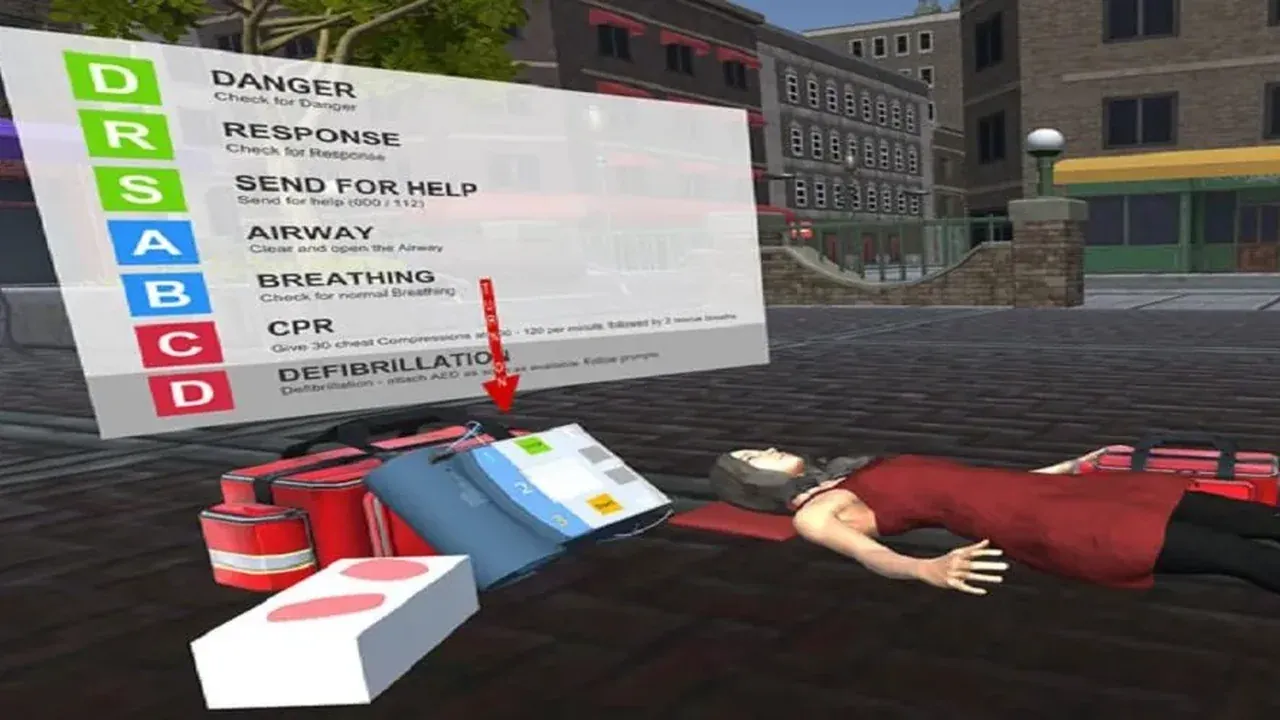
Learning objectives
By the end of this experience the learner can:
- Assess a persistent nosebleed quickly and safely.
- Apply the correct bleeding-control technique for the nose.
- Recognise signs of shock and act on them.
- Hand over to emergency services with a clear account of the injury and the treatment given.
Procedure steps
- Check for danger, wear gloves and expose the wound.
- Apply the region-specific technique: sitting the casualty forward, pinching the soft part of the nose for ten minutes, cold compress and escalation if bleeding continues beyond twenty minutes.
- Monitor the casualty's colour, pulse and consciousness for shock.
- Keep the casualty warm and reassured and call emergency services.
- Record the time of treatment and hand over.
Assessment
Time to effective bleeding control, correct technique for the region, shock recognition and handover quality are scored.
Equipment and setting
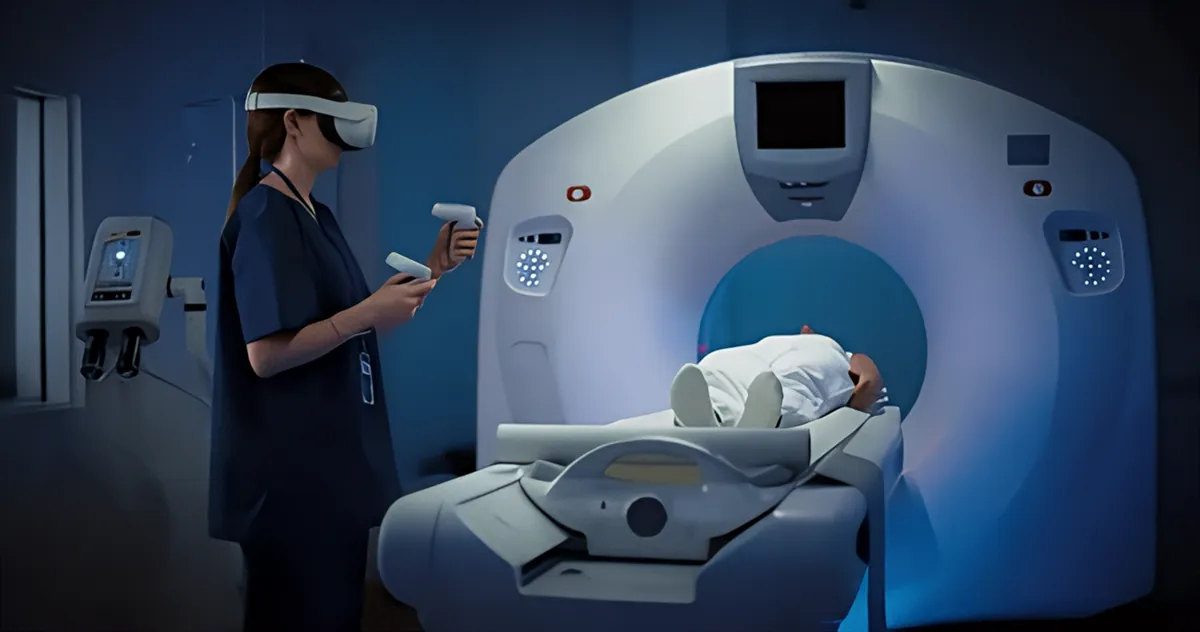
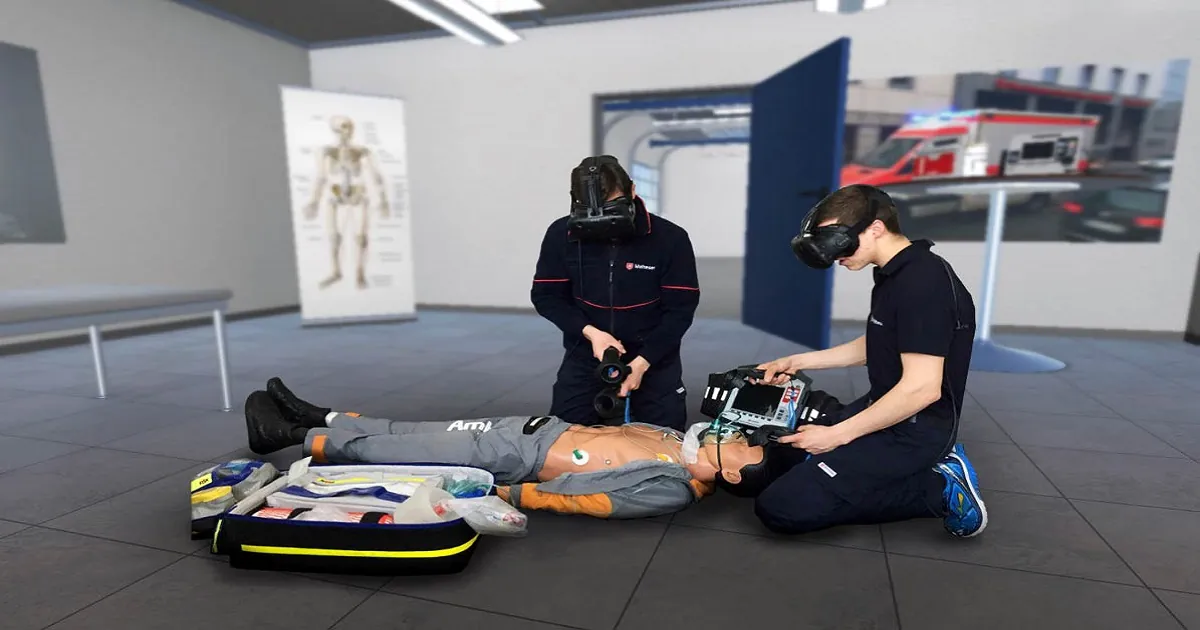
Standalone VR headset with hand controllers, full-scale virtual patient and equipment, instructor screen mirroring, Arabic and English interface, offline operation on the campus network.
Frequently asked
Nose FAQ
What educators ask about this scenario.
What will I practise in the Nose scenario?
How is performance assessed?
All VR Nursing Modules
Jump directly to any of the 11 nursing modules and their 54 scenario pages.
Discuss your medical VR training requirements with Enmatech Oman
- Create virtual reality and augmented reality experiences at the best prices
- Equipping engineering laboratories with the best equipment
- Virtual tours with 360° technology that you can view through just one link