01
Upper Leg Length
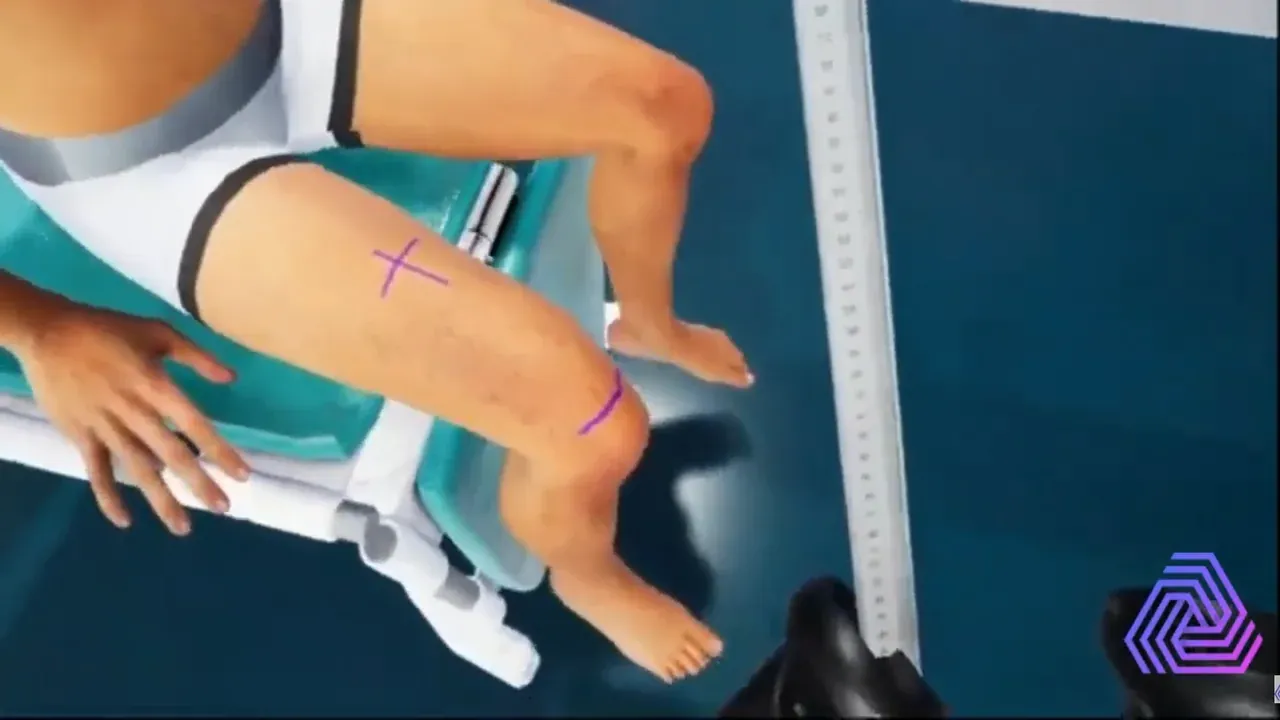
The learner positions the seated virtual patient, locates the inguinal crease and the top of the patella, and measures upper leg length with an…
ExploreSeventeen guided measurements of the leg, body, arm and skinfolds, grouped into five sets, on a full-scale virtual patient.
Anthropometric measurement underpins nutritional assessment, growth monitoring and dosing decisions, yet students rarely get enough supervised repetition on real bodies. This module places a full-scale virtual patient in front of the learner with the correct instrument for each measurement, teaches the landmarks, and checks technique and reading against the reference value.
Training projects
17 experiences
LEG (3)
BODY (4)
GENERAL (2)
ARM (4)
SKINFOLD (4)
The learner positions the seated virtual patient, locates the inguinal crease and the top of the patella, and measures upper leg length with an…
Explore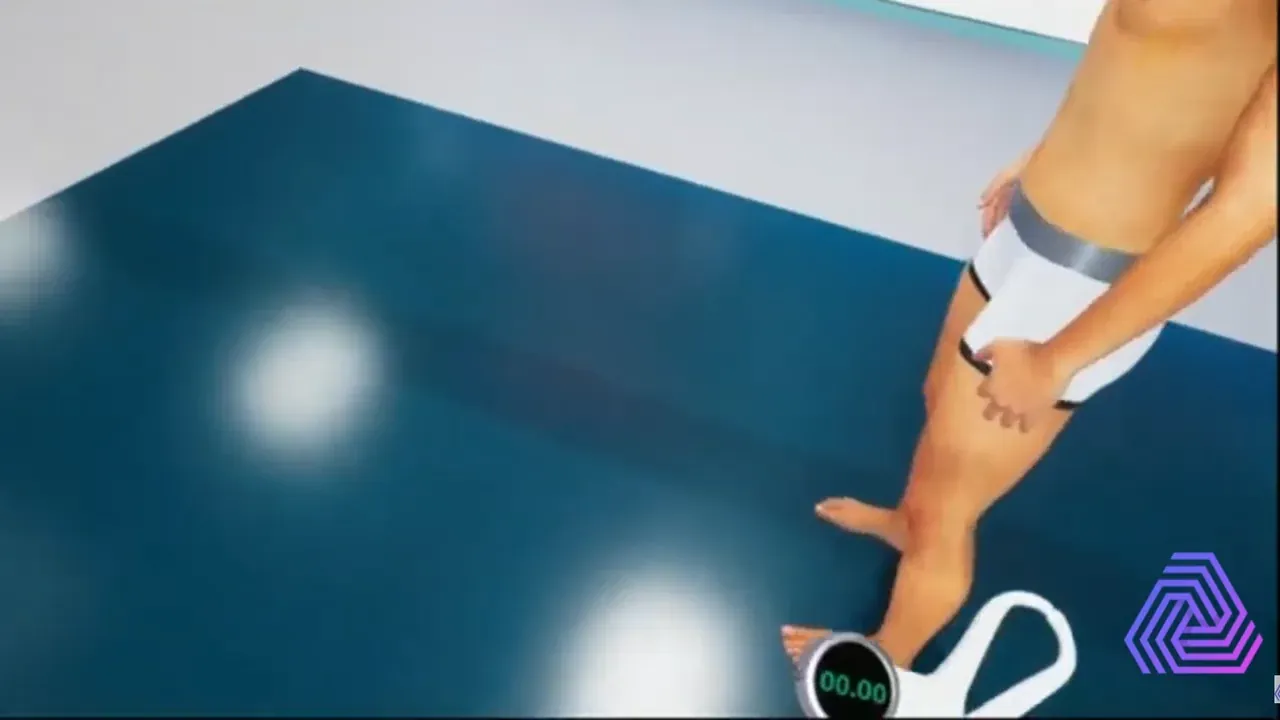
Knee height is used to estimate stature in patients who cannot stand. The learner sets the knee and ankle at right angles, places the fixed blade…
Explore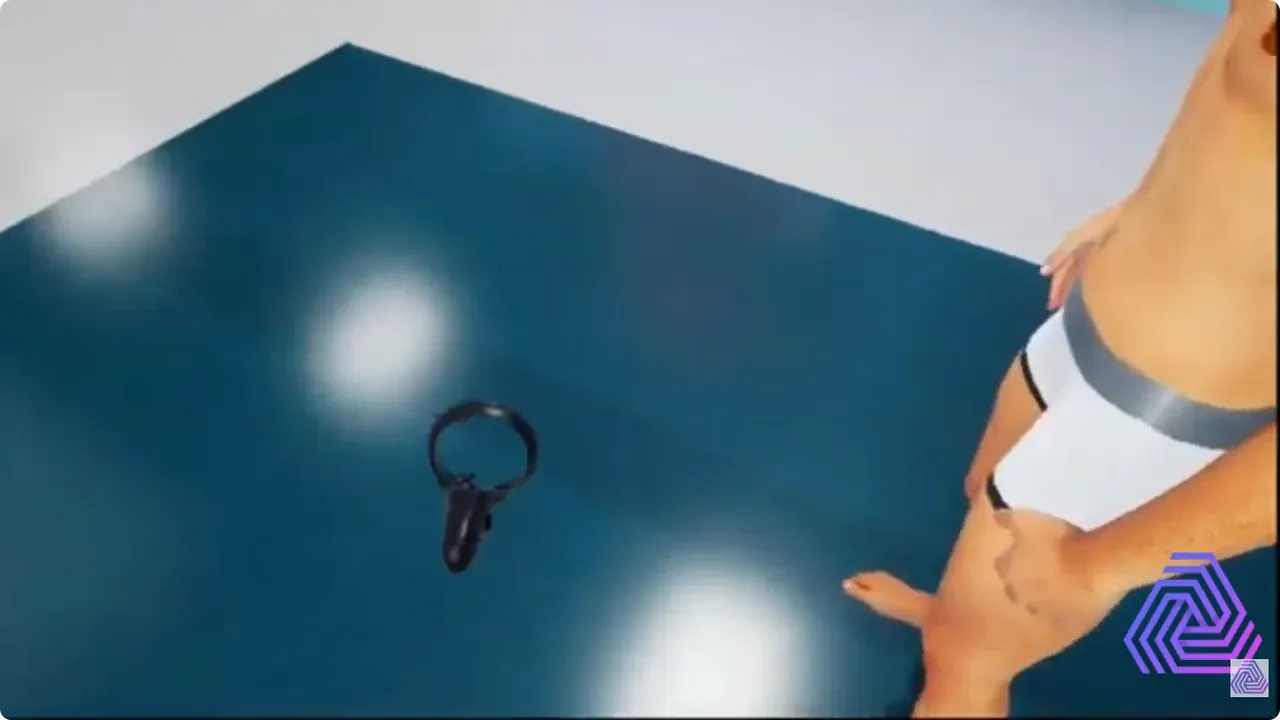
The learner marks the mid-thigh point, wraps the tape horizontally without compressing the tissue and records the circumference to the nearest 0.1…
Explore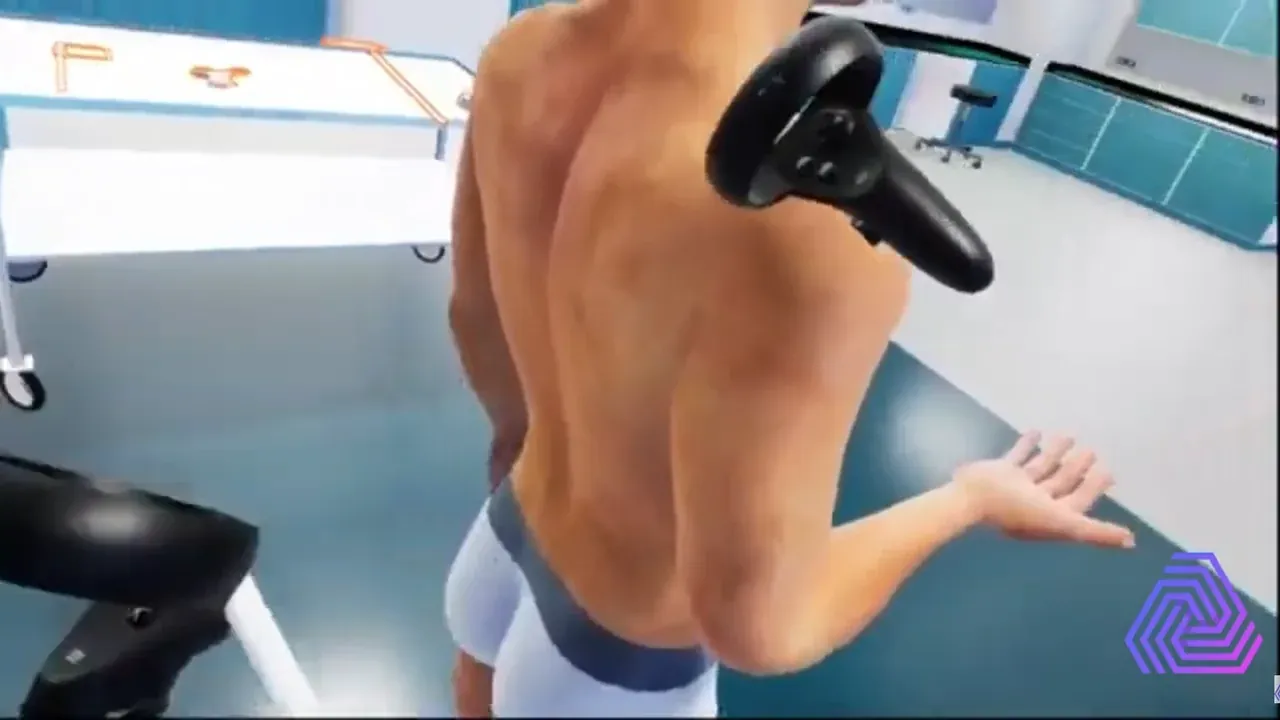
Standing behind the virtual patient, the learner palpates both acromion processes, applies the caliper blades firmly and reads shoulder…
Explore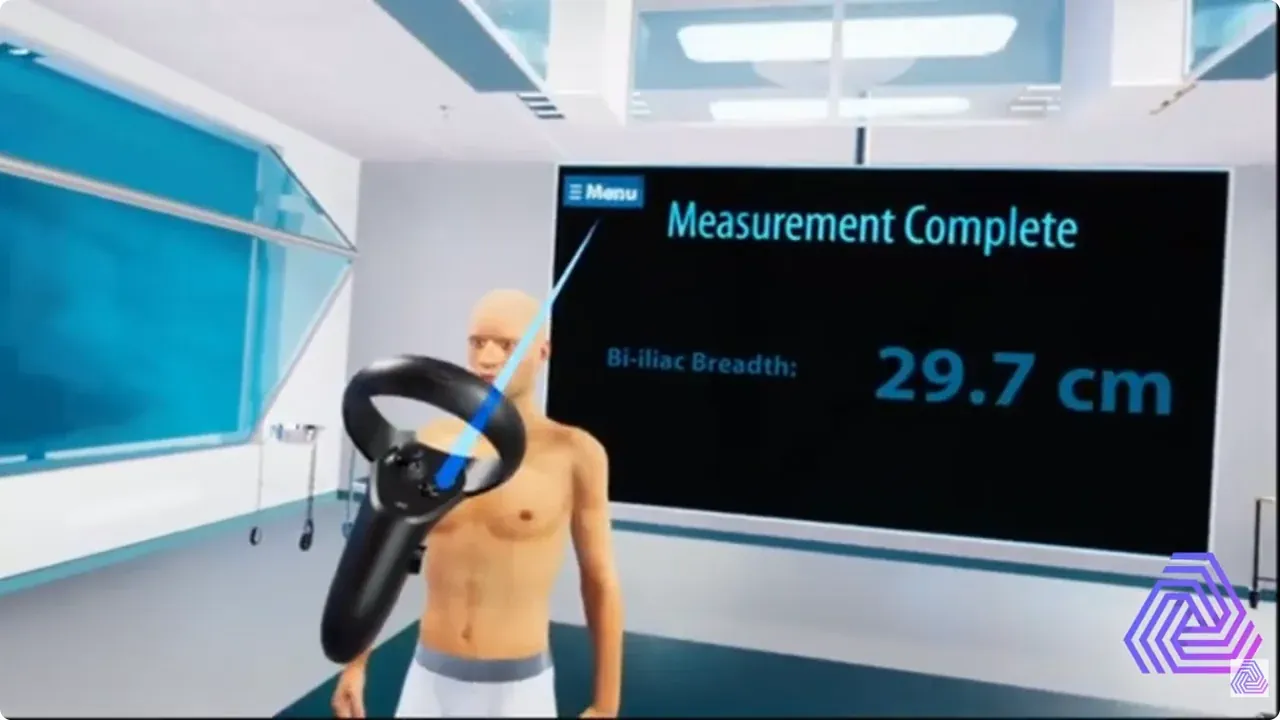
The learner locates the iliac crests, positions the caliper at a slight downward angle and applies enough pressure to measure pelvic breadth…
Explore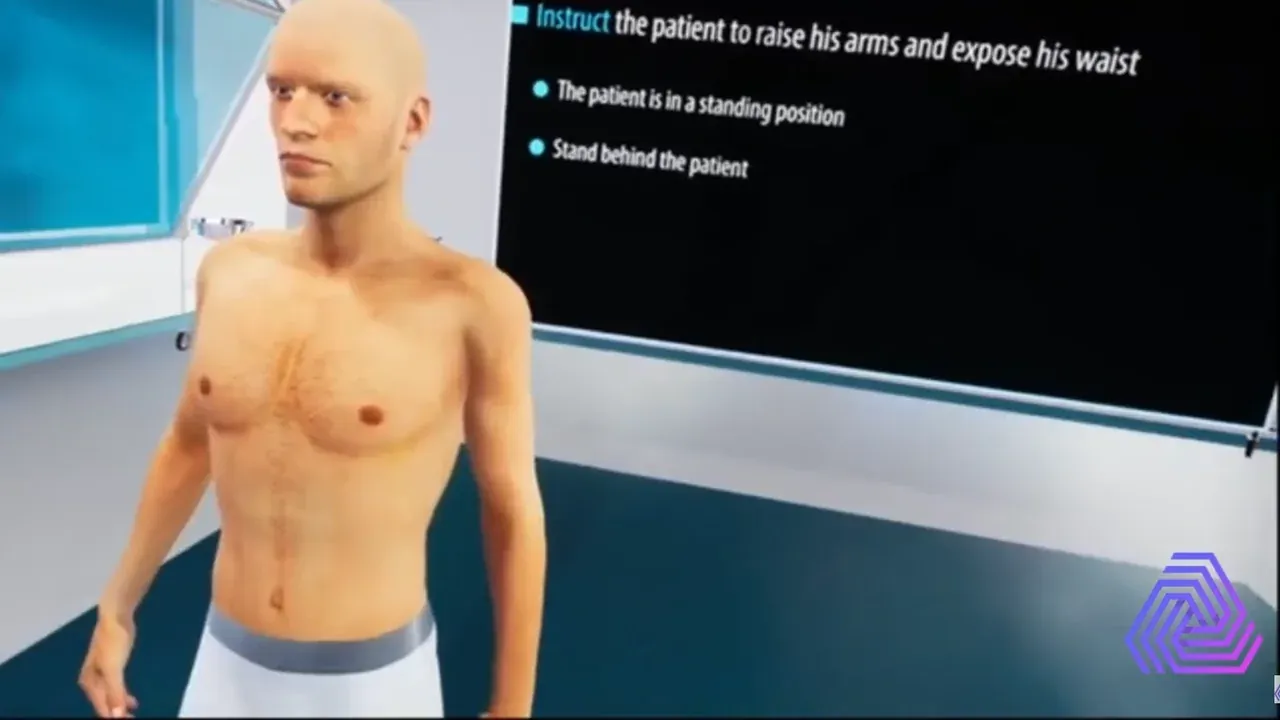
The learner identifies the correct level, keeps the tape horizontal around the abdomen and takes the reading at the end of normal expiration without…
Explore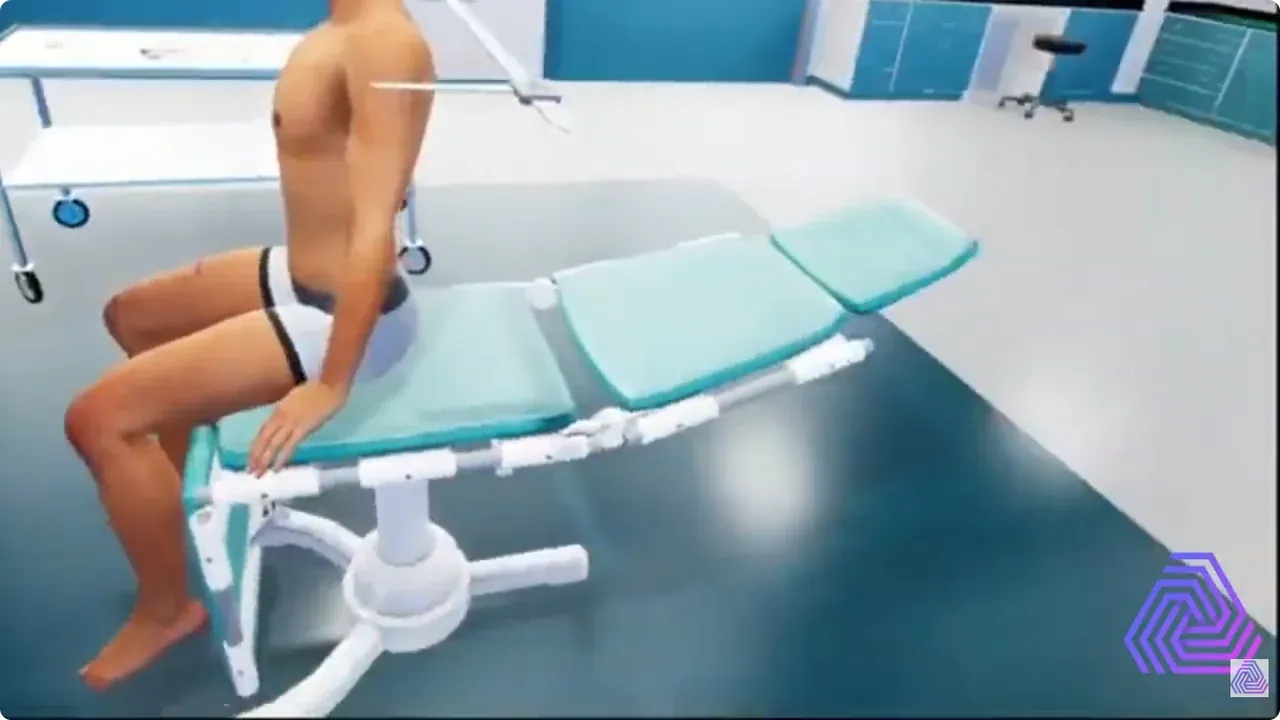
The learner finds the widest point of the hips from the side, checks the tape is level all the way round and records the circumference used for…
Explore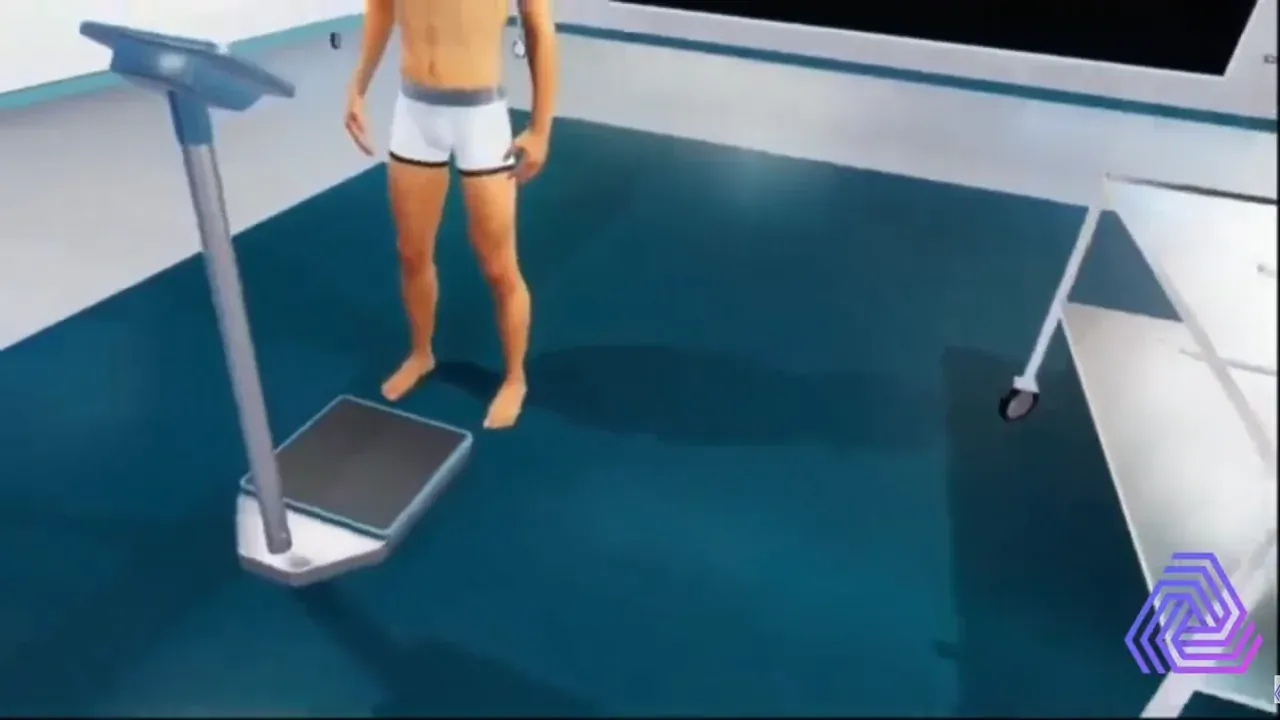
The learner zeroes the scale, positions the patient correctly, waits for the reading to stabilise and records weight to the nearest 0.1 kg, then…
Explore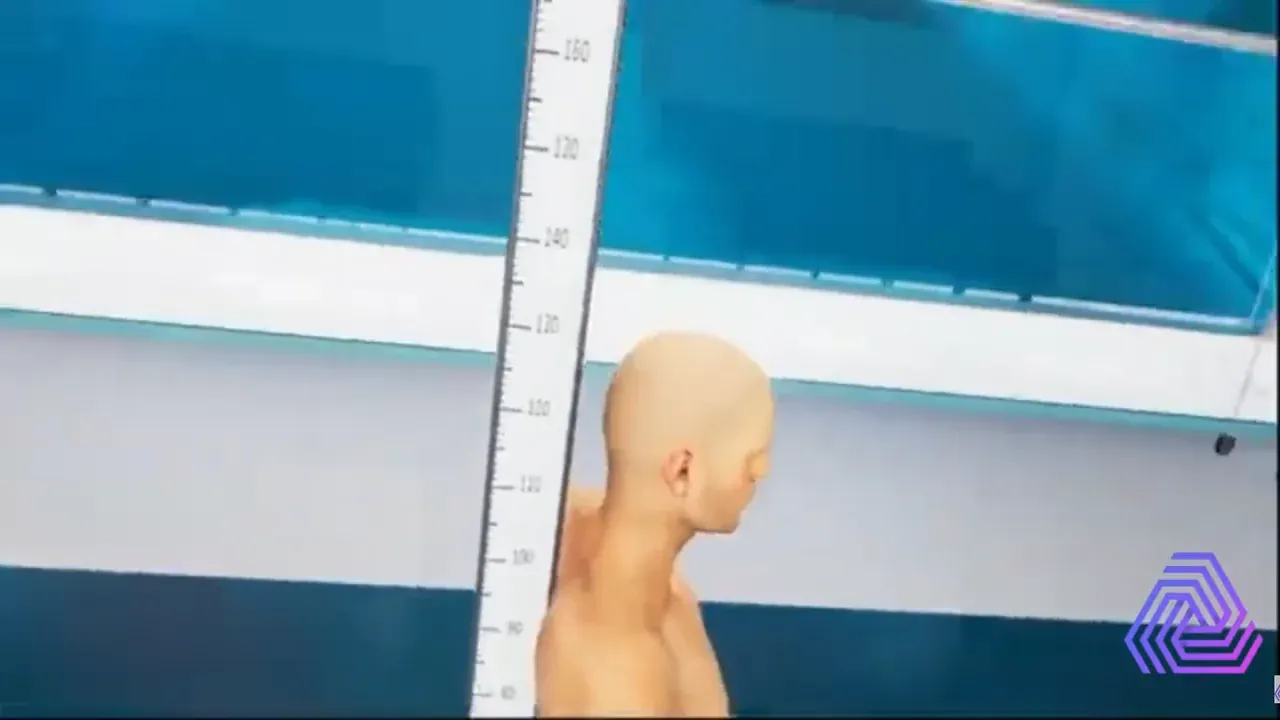
The learner aligns the patient in the Frankfort plane, lowers the headboard onto the vertex during inhalation and reads stature to the nearest 0.1…
Explore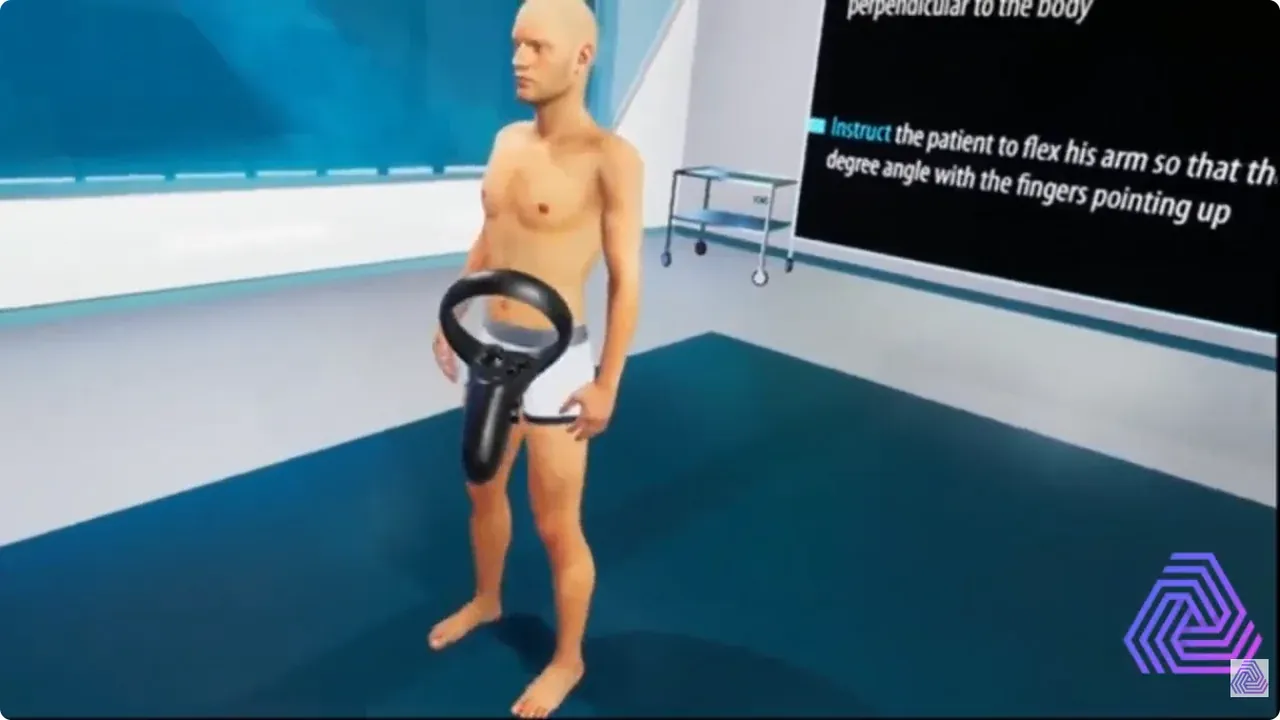
The learner flexes the virtual patient's elbow to 90°, palpates the acromion and the tip of the olecranon and measures the distance between…
Explore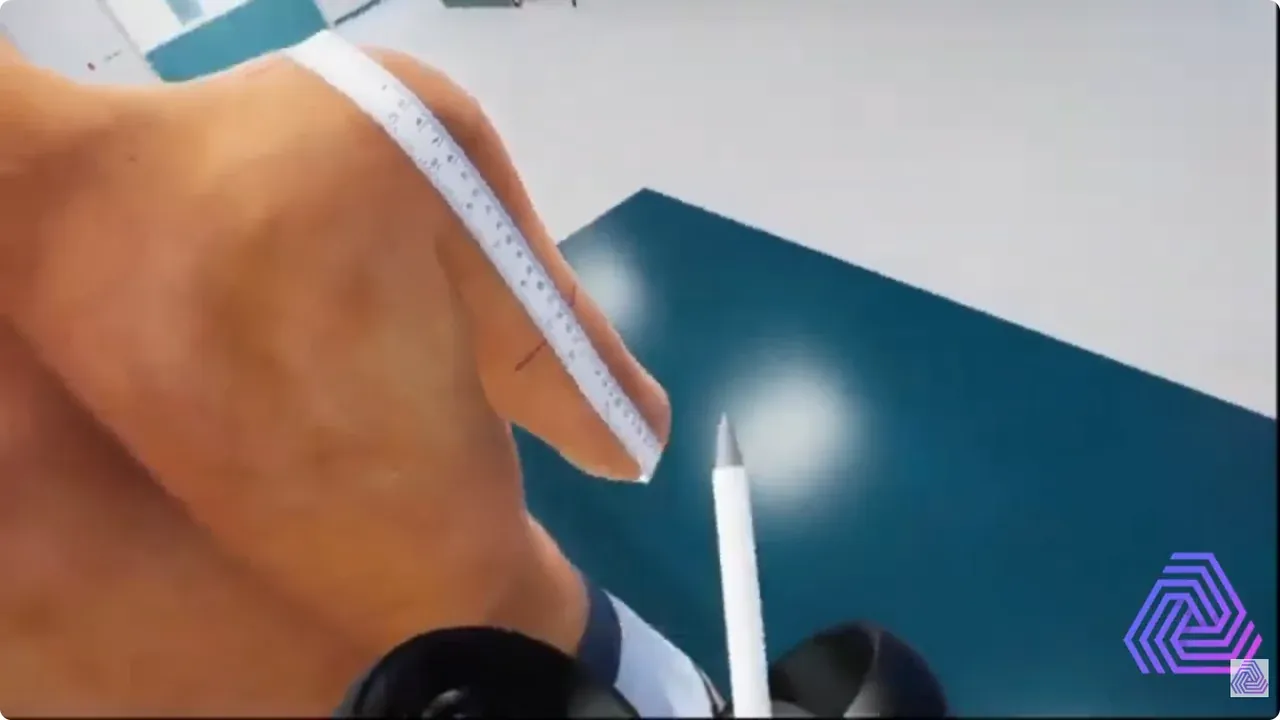
Mid-upper-arm circumference is a core malnutrition screen. The learner marks the midpoint between acromion and olecranon, lets the arm hang loose and…
Explore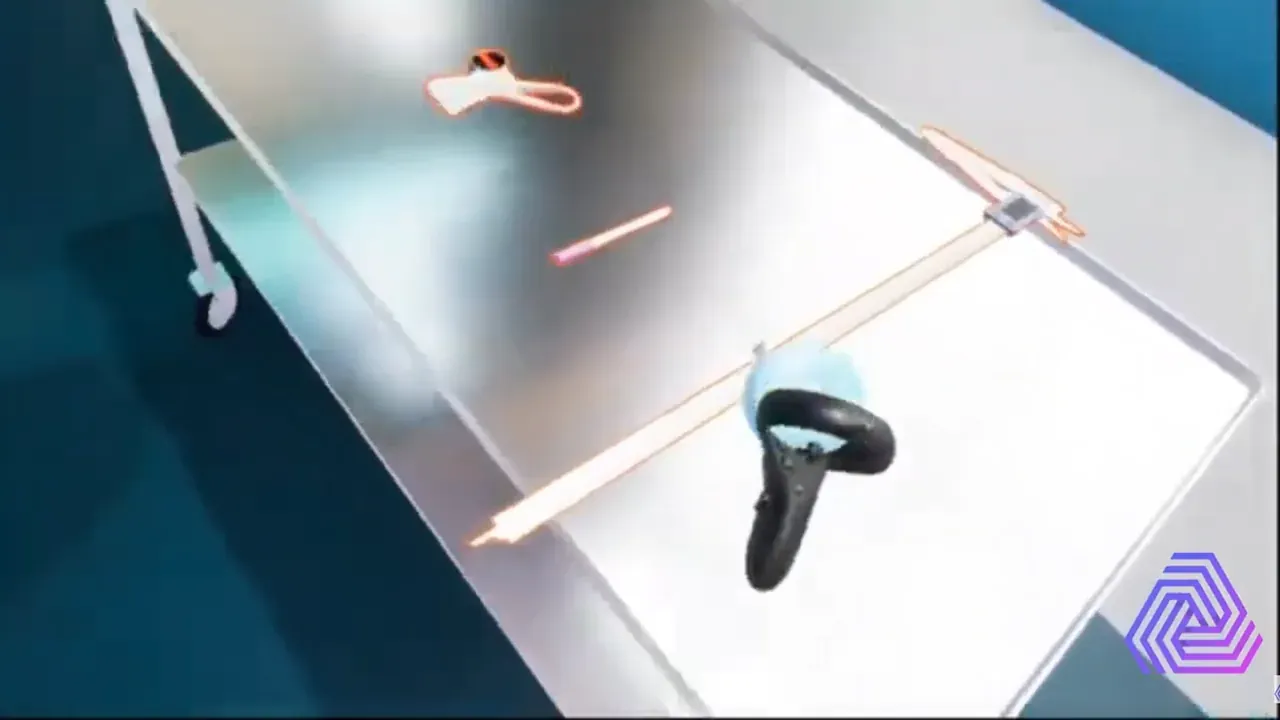
Used to estimate frame size, elbow breadth is measured by placing the caliper blades on the epicondyles at a slight angle and applying firm…
Explore
The learner locates both styloid processes on the pronated wrist and measures the breadth with the caliper without compressing the soft…
Explore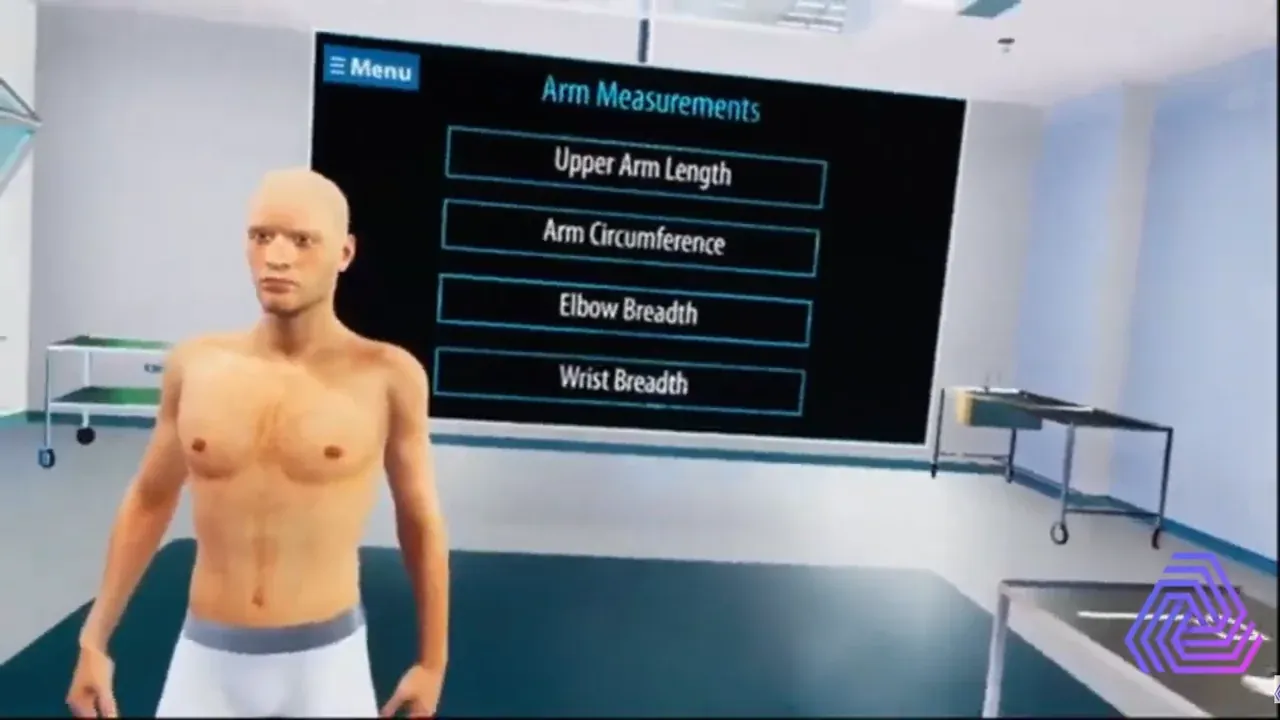
The learner grasps a vertical fold of skin and subcutaneous fat 1 cm above the mark, applies the caliper at the mark and reads after two seconds,…
Explore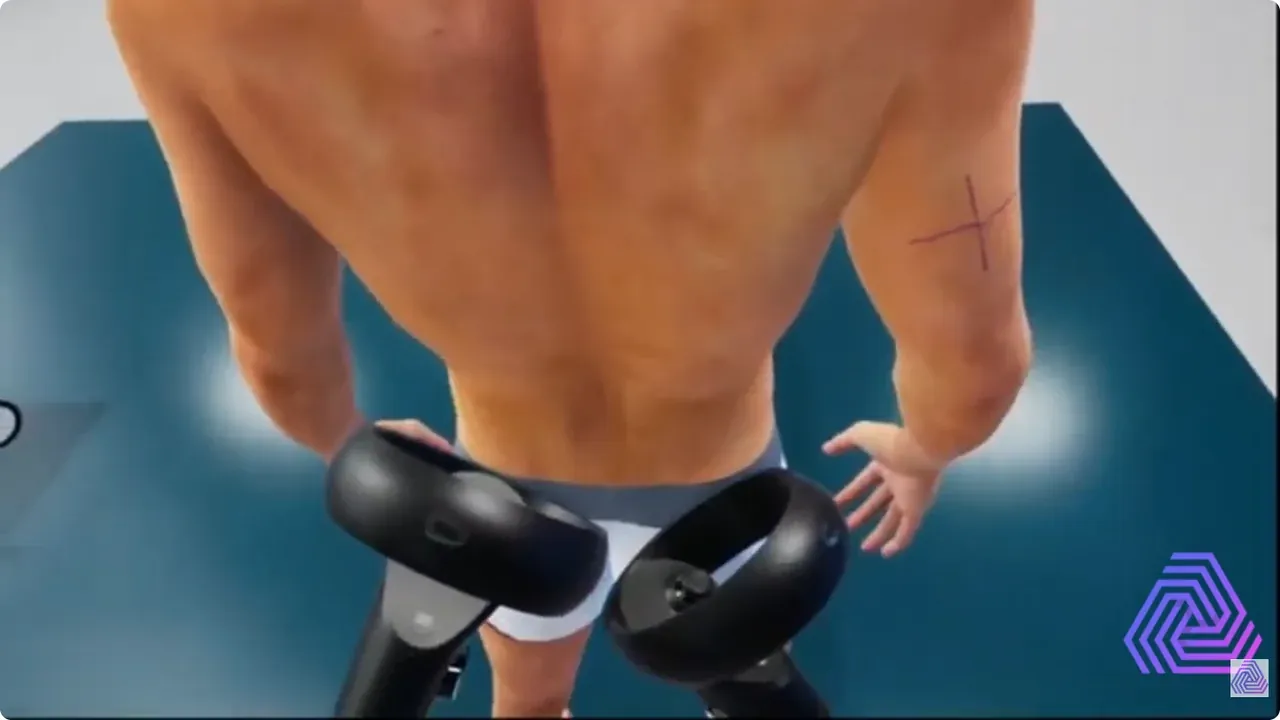
The learner palpates the inferior angle of the scapula, raises a fold at roughly 45° and takes duplicate caliper…
Explore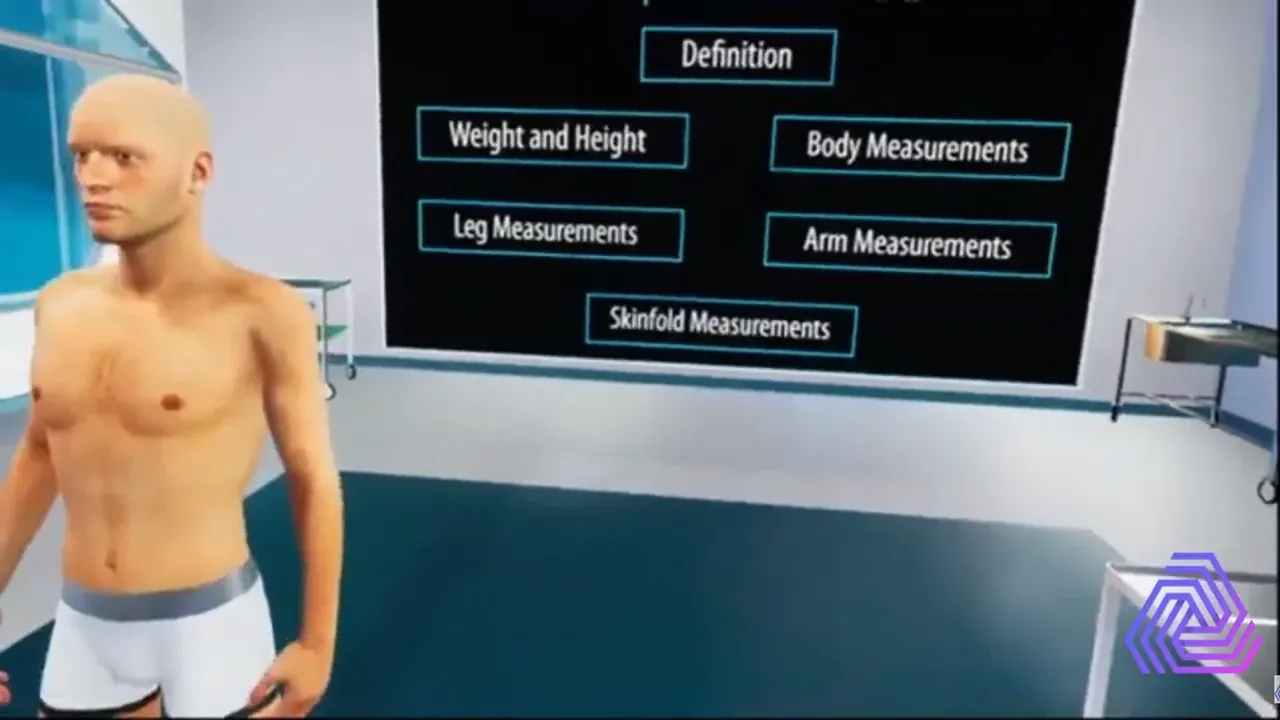
The learner identifies the iliac crest in the mid-axillary line, raises an oblique fold following the natural skin line and measures it with the…
Explore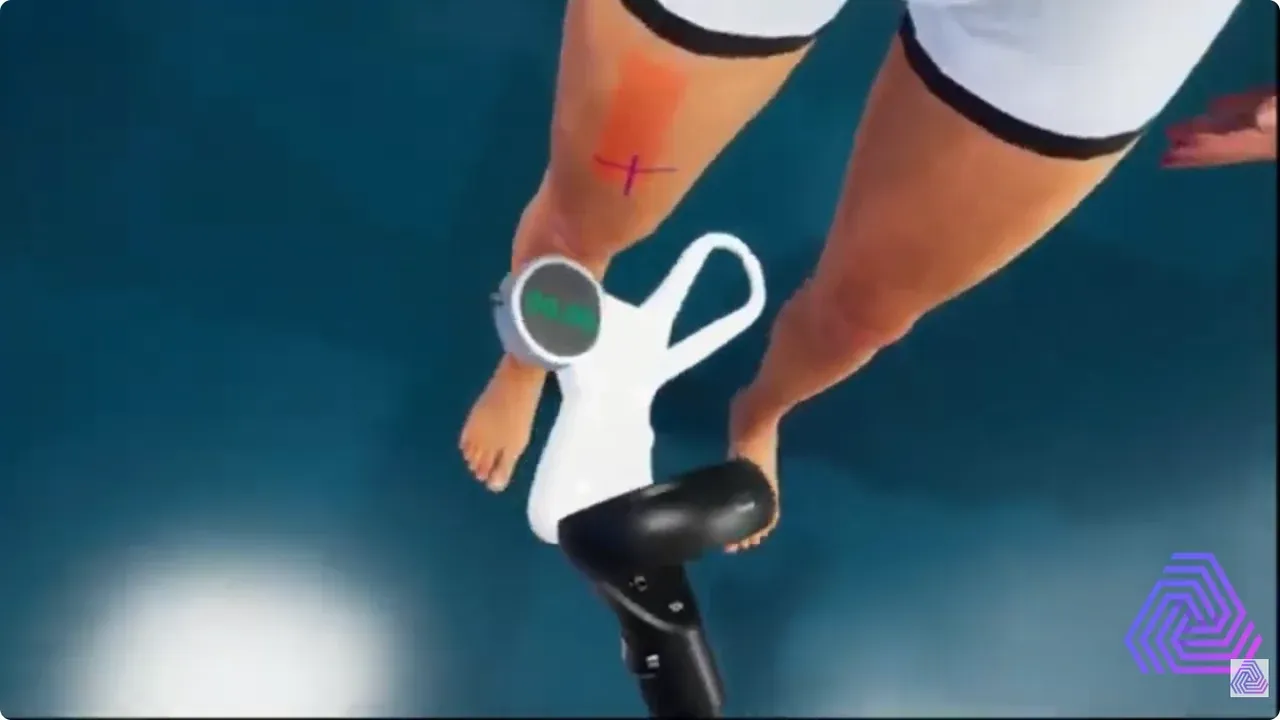
With the patient's weight shifted to the opposite leg, the learner raises a vertical fold at mid-thigh and records duplicate…
ExploreEvery scenario starts in guided mode: the virtual instructor narrates each step, highlights the equipment and corrects mistakes immediately, so learners build the sequence before they are assessed.
Unguided mode records every action, timing and error against a checklist that instructors can edit, and produces a score and an itemised report that exports to the LMS.
A dashboard shows class progress across all 54 nursing experiences, lets instructors mirror a headset to a screen for debriefing, and runs offline on the campus network in Arabic and English.
Frequently asked
Answers for nursing educators and simulation-centre managers evaluating this module.
Jump directly to any of the 11 nursing modules and their 54 scenario pages.